Our Product
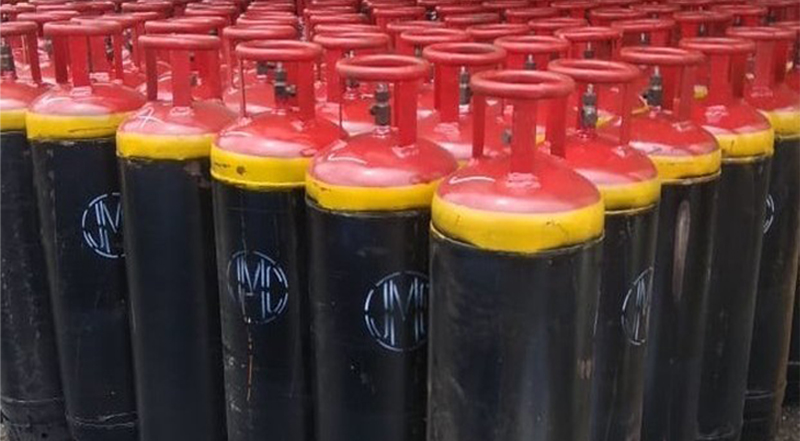
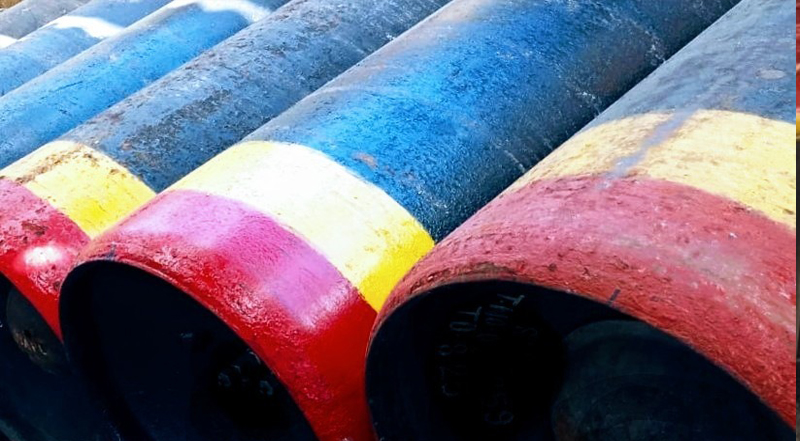
Anhydrous Ammonia
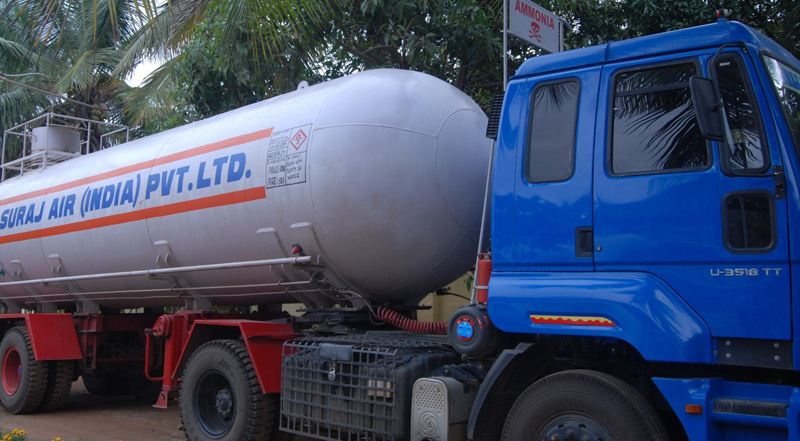
Anhydrous Ammonia is a pungent, colourless and non-flammable liquefied gas. Its vapour is lighter than air and liquid is lighter than water. Anhydrous ammonia boils at -33.33°C and freezes to a white crystalline mass at -77.78°C. It ignites at a temperature of 651.1°C within vapour concentration limits between 15% and 28%.
Ammonia has great affinity for water and reacts with galvanized metals, cast iron, copper, brass or copper alloys.
Anhydrous ammonia is used in: Refrigeration Applications, Metal Treating, Chemical, Pharmaceutical, Petroleum Industries, Agriculture (fertilizers), Explosives.
| Sl. No | Characteristics | GIII | GII | GI |
|---|---|---|---|---|
| 1 | Ammonia in %, Min | 99.5 | 99.9 | 99.95 |
| 2 | Residue on Evaporation, % by mass, Max | 0.5 | 0.5 | 0.05 |
| 3 | Moisture % by mass, Max | 0.5 | 0.1 | 0.05 |
| 4 | Oil, ppm by mass Max | 10.0 | 5 | 2 |
Ammonia in aqueous solution (Ammonium Hydroxide)
When ammonia gas is dissolved in water, the resulting material is Ammonia in aqueous solution (Ammonium Hydroxide). It is a clear, colourless liquid having a strong pungent ammonia odour.
Ammonia in aqueous solution (ammonium hydroxide) is classified as a weak base. It ionizes much less completely in water than does a strong base such as sodium hydroxide. Its viscosity is higher than that for liquid anhydrous ammonia.
Ammonia in aqueous solution reacts with many organic and inorganic acids to form ammonium salts and compounds; with certain metals to form complex ion salts; with halogens to form haloamines; and under extreme circumstances with silver and mercury to form explosive azides.
Ammonia in aqueous solution is used as the nitrogen source for fertilizer. It is also used in the making of refrigerants and home and commercial cleaning products.
Ammonia in aqueous solution is corrosive to copper, silver, aluminium, zinc, and alloys. It reacts with body moisture, Hence it may burn body tissue – skin, eyes, mouth, throat, lungs, and stomach – on contact, if inhaled or swallowed.
Ammonia in aqueous solution is generally tolerable at concentrations up to 25 parts-per-million (ppm), even though the smell is unpleasant and sharp. Above this concentration, irritation of the eyes, nose, and throat may begin. Above 400 ppm, skin irritation and coughing occur immediately.
Ammonia in aqueous solution in aqueous solution is not flammable or explosive. However, it poses a danger when it is exposed to fire or elevated temperatures as it may decompose, releasing flammable and toxic gases.
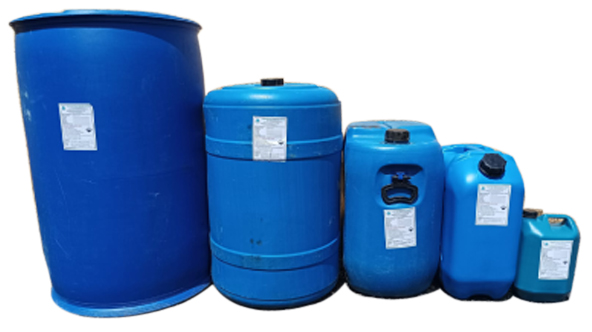
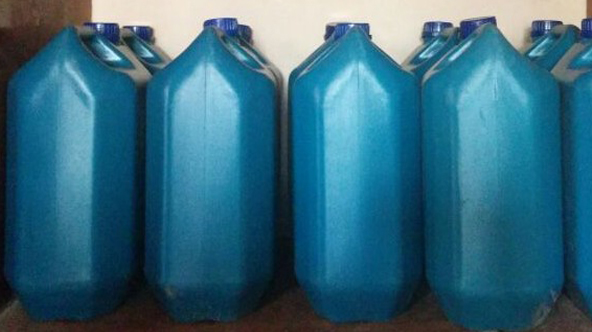
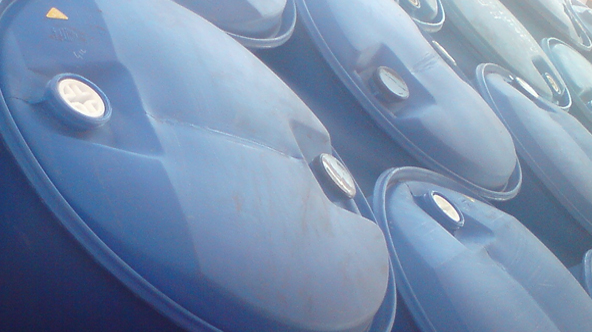
Ammonia in aqueous solution (Ammonium hydroxide) of Analytical, Synthesis, Technical and Commercial grades are available in tank cars, drums and carboys.
| Sl. No | Characteristics | Analytical | Technical | Synthesis | Commercial |
|---|---|---|---|---|---|
| 1 | NH₃, % by mass, Min. | 25 | 20 | 1 – 30 | 1 – 30 |
| 2 | Residue on evaporation % by mass, Max | 0.002 | 0.1 | 0.15 | 0.2 |
Our Anhydrous Ammonia and Ammonia in aqueous solution storage facility help us to provide uninterrupted supply of Ammonia to the customers.